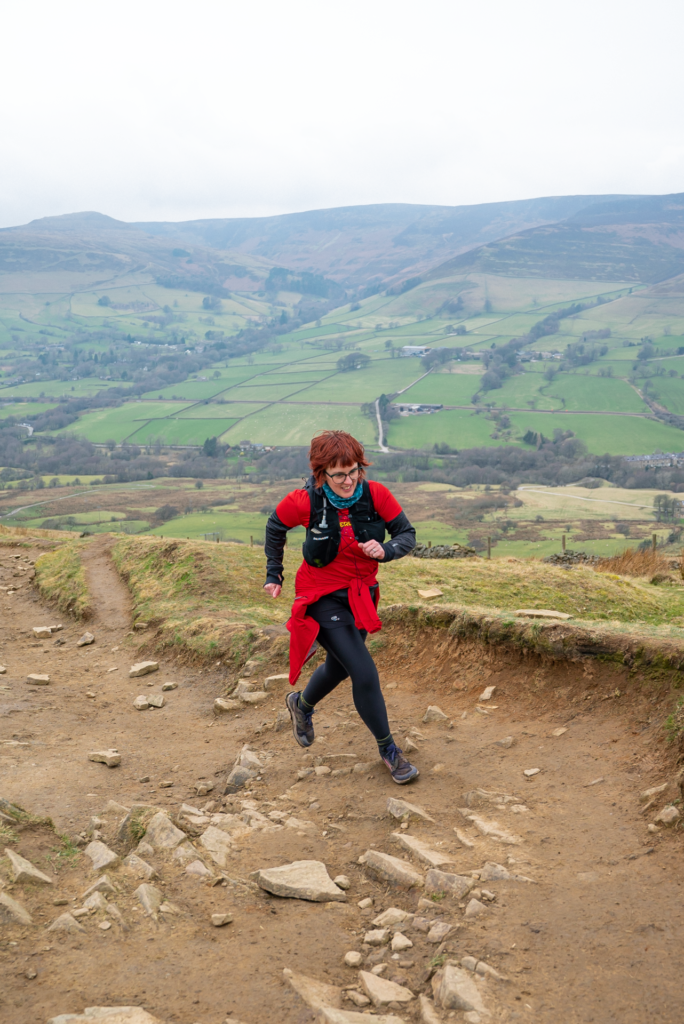
Run for those hills! Your legs and body will thank you for it!
Hill training can be classed as part of strength training for runners! Running those hills can help improve muscle strength, it can also aid your joints, ligaments and tendons whilst increasing your cardiovascular system too! And hill training is not just for trail and fell runners! Road runners (even if your events are flat!) can immensely benefit from heading to the hills as well.
I’m here to tell you that hills are good for you and they’re good for your running. Training on hills improves leg-muscle strength, quickens your stride, expands stride length, develops your cardiovascular system, enhances your running economy and can even protect your leg muscles against soreness. In short, hill running will make you a stronger, faster and healthier runner. What more could you want?!
Top tips for running uphill
- As you start uphill, shorten your stride. Don’t try to maintain the pace you were running on the flat.
- You are aiming for equal effort going up as well as down, not equal pace. Trying to maintain the pace you were running on the flat will leave you exhausted later in the race or session.
- Take ‘baby steps’ if necessary and try to keep the same turnover rhythm that you had on the flat ground.
- Your posture should be upright – don’t lean forward or back – your head, shoulders and back should form a straight line over the feet.
What goes up must come down!
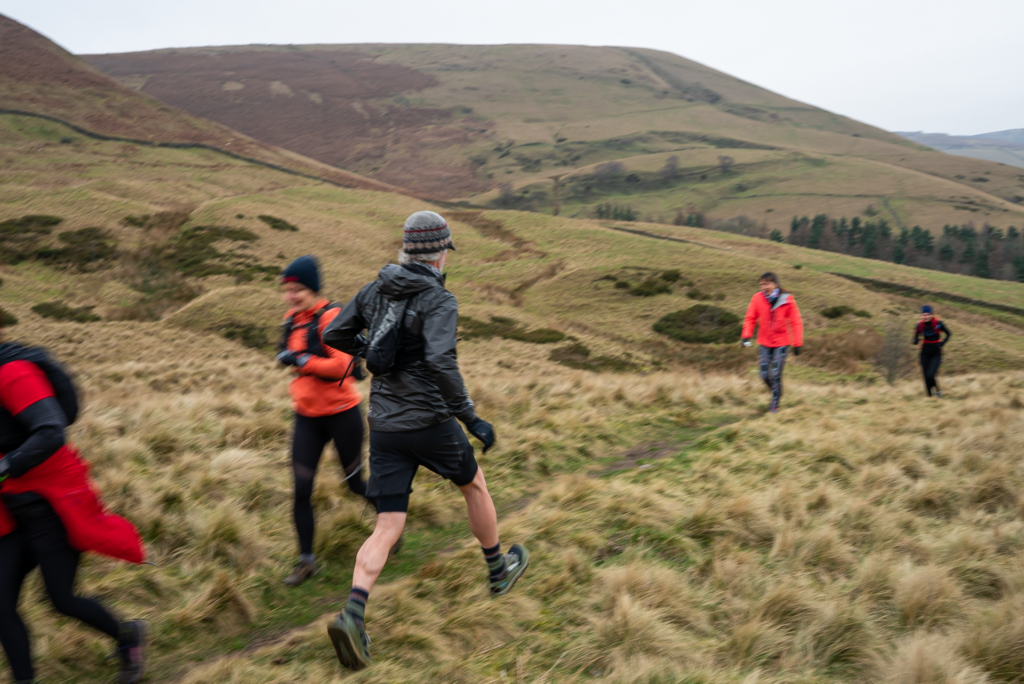
Most runners make one or two mistakes when running downhill. They either sprint, which causes severe muscle soreness later on, or they’re so hesitant to surrender to gravity that they’re constantly braking, which again fatigues the quadriceps muscles. The optimum pace is somewhere in between. Try not to let your feet pound on the ground when you are running downhill. Step lightly and don’t reach out with your feet. To help your downhill technique, try these tips:
- Try to visualise gravity pulling you down the hill.
- Try to maintain an upright body posture, keeping your body up.
- Keep your feet close to the ground for maximum control, and land lightly.
- As you increase your pace, emphasise quicker turnover rather than longer strides, though your strides can be slightly longer than normal.
- The key to efficient downhill running is to stay in control. When you start, keep your stride slightly shortened and let your turnover increase. When you feel in control, gradually lengthen your stride.
- If you start to run out of control when descending, shorten your stride until you feel you are back in control again
Try this hill workout to get started
When starting out with hill training pick a gentler incline that you can run up comfortably.
15 minute warm up at easy pace
30 sec uphill hard effort – 7-8 (out of 10)
45/60 sec recovery
Repeat 8-10 times
15 min cool down/recovery
Higher intensity session can take longer to recover from so just one or two sessions a week is enough. You will start to reap the benefits within a few weeks!
Read more here
Watch technique here
Interested in knowing more about hill training? Find out about coaching here. Follow me on social media for more. Send me a message here runningsummits@outlook.com