Run Stronger Series – Hill Training

Run for those hills! Your legs and body will thank you for it!

Hill training can be classed as part of strength training for runners! Running those hills can help improve muscle strength, it can also aid your joints, ligaments and tendons whilst increasing your cardiovascular system too! And hill training is not just for trail and fell runners! Road runners (even if your events are flat!) can immensely benefit from heading to the hills as well.

I’m here to tell you that hills are good for you and they’re good for your running. Training on hills improves leg-muscle strength, quickens your stride, expands stride length, develops your cardiovascular system, enhances your running economy and can even protect your leg muscles against soreness. In short, hill running will make you a stronger, faster and healthier runner. What more could you want?!
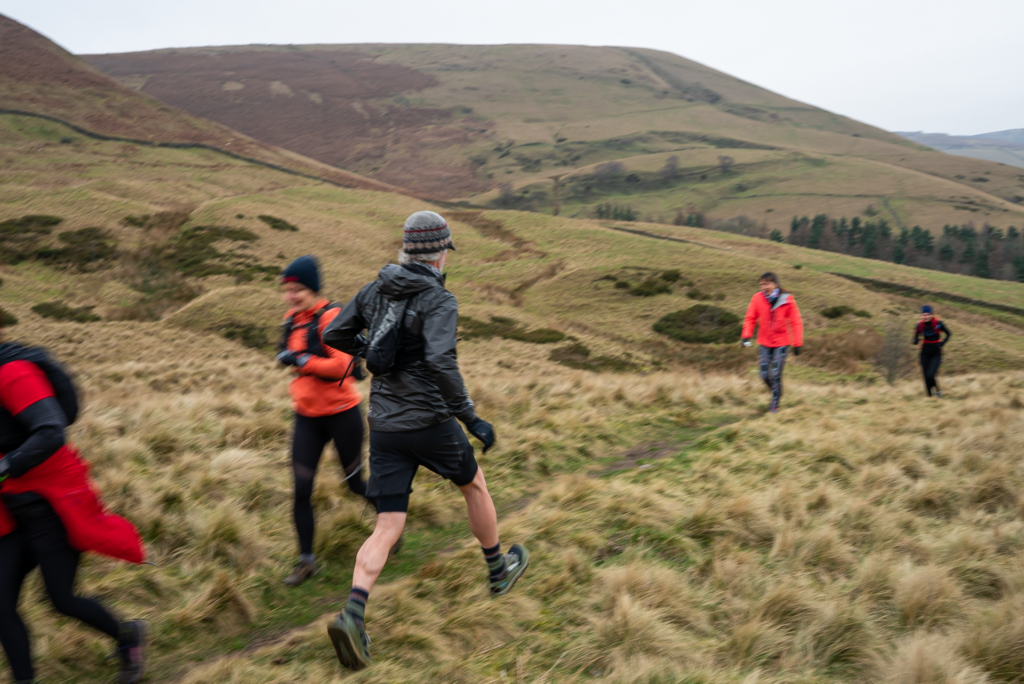
Top tips for running uphill

  • As you start uphill, shorten your stride. Don’t try to maintain the pace you were running on the flat.
  • You are aiming for equal effort going up as well as down, not equal pace. Trying to maintain the pace you were running on the flat will leave you exhausted later in the race or session.
  • Take ‘baby steps’ if necessary and try to keep the same turnover rhythm that you had on the flat ground.
  • Your posture should be upright – don’t lean forward or back – your head, shoulders and back should form a straight line over the feet.

What goes up must come down!

Most runners make one or two mistakes when running downhill. They either sprint, which causes severe muscle soreness later on, or they’re so hesitant to surrender to gravity that they’re constantly braking, which again fatigues the quadriceps muscles. The optimum pace is somewhere in between. Try not to let your feet pound on the ground when you are running downhill. Step lightly and don’t reach out with your feet. To help your downhill technique, try these tips:

  • Try to visualise gravity pulling you down the hill.
  • Try to maintain an upright body posture, keeping your body up.
  • Keep your feet close to the ground for maximum control, and land lightly.
  • As you increase your pace, emphasise quicker turnover rather than longer strides, though your strides can be slightly longer than normal.
  • The key to efficient downhill running is to stay in control. When you start, keep your stride slightly shortened and let your turnover increase. When you feel in control, gradually lengthen your stride.
  • If you start to run out of control when descending, shorten your stride until you feel you are back in control again

Try this hill workout to get started

When starting out with hill training pick a gentler incline that you can run up comfortably.

15 minute warm up at easy pace

30 sec uphill hard effort – 7-8 (out of 10)

45/60 sec recovery

Repeat 8-10 times

15 min cool down/recovery

Higher intensity session can take longer to recover from so just one or two sessions a week is enough. You will start to reap the benefits within a few weeks!

Read more here

Watch technique here

Interested in knowing more about hill training? Find out about coaching here. Follow me on social media for more. Send me a message here runningsummits@outlook.com
Run Stronger Series – Base training

As Meghan Trainer says in her song….its all about that base…..training!

Base or aerobic training is arguably the most important part of your training as a runner – for any event! Yet it can be the most difficult to do! As runners, especially when we start out training, we want to see improvements in our running, so often we go out and try get a faster time or run at a harder effort at every run. We are constantly trying to beat our previous time, or get those medals or crowns on Strava! But what if I told you to get faster and to run further we need to slow down!

So what is base/aerobic training?

Aerobic training is an essential component of a runner’s training program. It refers to the exercise that primarily uses oxygen to generate energy for the muscles over an extended period. Aerobic training helps runners improve their cardiovascular endurance, build a solid aerobic base, and enhance overall running performance. It also helps the body become efficient at burning fat as a primary fuel – something we have a lot of!

Establishing a solid aerobic base is crucial for runners. It involves performing low to moderate intensity workouts for an extended duration. This type of training improves the body’s ability to utilize oxygen, enhances the efficiency of energy production, and helps delay the onset of fatigue during long-distance runs.

Some Facts about base training…

  1. Benefits of Aerobic Training: Aerobic training strengthens the cardiovascular system, increasing the heart’s efficiency and improving lung capacity. It also enhances the body’s ability to utilize oxygen, leading to increased endurance. Additionally, aerobic training helps burn fat and improve metabolic function.
  2. Training Zones: Aerobic training is typically done within specific heart rate or intensity zones. These zones are based on a percentage of your maximum heart rate (MHR) or your lactate threshold. Commonly used zones include easy/recovery zone (60-70% MHR), aerobic zone (70-80% MHR), and tempo/threshold zone (80-90% MHR). Training within these zones helps target different physiological adaptations and allows for appropriate recovery.
  3. Long Slow Distance (LSD) Runs: LSD runs are a key component of aerobic training. These runs are performed at a comfortable pace, typically within the aerobic zone, and are longer in duration compared to other training sessions. LSD runs help build endurance, increase aerobic capacity, and teach the body to burn fat efficiently.
  4. Progressive Overload: To continue improving, we need to apply the principle of progressive overload. This means gradually increasing the training volume (duration, distance) and intensity over time. Progressive overload stimulates physiological adaptations, leading to improved aerobic fitness.

Why do I need to do it?

Think of building your base fitness as your foundation for all other training. When building a structure we need to have a solid foundation before we can build anything else. This is not something that we do just once as beginners, this is how we start every training plan for any event. This is where we build our fitness, strengthen our muscles, make our hearts and lungs stronger. It also helps us keep those injuries at bay, if we build up our training gradually we are less likely to get injured from over training!

How do I know if I’m running slow enough?

There are a few ways you can you can measure this first one is by heart rate, but you need to make sure you have an accurate heart rate monitor. Unfortunately most wrist bast watches with heart monitors are not accurate enough to use this as an indicator. The best heart rate monitors are for your chest or you can get ones for your arm. Check out DC Rainmaker for some great reviews on products!

The best way is by effort level – the talk test! if you can comfortably hold a conversation whilst running then you are running easy! If your struggling to get your words out -then your going too fast – slow down!

Use these runs to enjoy the scenery, listen to a good podcast or audio book! They may not be the most exciting of runs but if you want to run distance they are the most important!

Remember, it’s important to tailor your aerobic training program to your individual fitness level, goals, and any specific requirements you may have. Working with a running coach can help you with an effective aerobic training plan that suits your needs – get in touch if you’d like to start today! Or find out more here

Hope you enjoyed reading this! Next time we will be taking about the importance of incorporating hills in our training!

Run Stronger Series – Training Plan

So…you have chosen your goal race/event…what next?! Why a training plan of course! Here are my thoughts and advice on devising a training plan…

Where to start..

There are so many different training plans available out there. bog standard ones can be found in a book or online. It is important to find a suitable plan for you and your fitness level/experience and also the race/event you are doing. For example a road marathon training plan will not be the same for a trail marathon.

You can decide to do it all on your own and do some research into various training concepts and pick what works for you.

Or you can go down the coached route and find a great coach (i may know someone!), and have your training plan specifically tailored to you.

Whatever you decide it is always best to start from your race day and work backwards. Work out how much time you have to train, how many days you can commit to train, and break it down into manageable chunks. Plan in your sessions in weekly blocks and commit to those days. Make sure it is sustainable, and it fits in around other life commitments. Tell someone your plan – this is great for accountability.

The nitty gritty

Start from the beginning so build up your weekly mileage gradually – depending on your base fitness increasing your mileage in 10% increments is generally a good rule of thumb. Make most of your training runs at that easy/sexy/endurance pace – you know that one where you feel like you could run forever! Add in some speed training – mix it up with running on the flat and hills. Add in recovery weeks where you reduce your load and intensity – this is where the magic happens and your body reaps the benefits of all that training.

Allow race specific training closer to race day – if its a hilly trail event practice your long runs on this type of terrain, if its flat and road based get used to running on the road. Simulate race/event day on your longer runs to practice fueling, hydration and carrying your kit. Long runs are great for experimenting to see what works for you. You don’t want to be trying anything new on race day!

Most importantly enjoy the journey you take in training….

Free resources

Marathon Handbook have some great resources and training plans.

As do Runners world and Garmin Coach

If you would like a free chat with a coach I am always available and more than happy to offer advice. You can email me at runningsummits@outlook.com

Next week is all about aerobic/endurance training – what it is and why we should be doing it! Follow me so you won’t miss it!

Run Stronger Series – Goal Setting

       My tips for setting goals in your running!                                                                                 

Having a goal can be a great motivator to keep us training and working towards something. We all have something we want to work towards in health, fitness and running. It could be anything run your first 5k, PB marathon, multi day ultra event! But goals are just dreams unless we make them specific! So, once you have your goal you need to make it more tangible.

 Make your goal specific,

Think of a specific even or time that you want to achieve. You also need a time frame but make it a realistic one! Think about your goal – it could be to run a half marathon, you will need to train for it, so think about how long that will take, (if you need advice – that’s what I am here for!) then look for an event around that time. Allow enough time to realistically be able to achieve it, but not too long so that you lose motivation! It is a fine line. If you think it will take a year or more to reach your goal, then think of events you can do in the meantime that will help you work towards your bigger goal.

Find your Why…

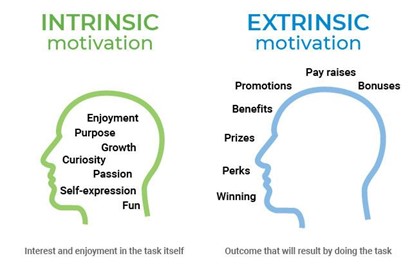
 Before you do any of that, Think about your why. Why do you want to run a marathon, lose a stone, complete an ironman? There are 2 different reasons we do most things in life –

 Intrinsic reasons – this is for us, to make ourselves feel good/happy, or

Extrinsic reasons – this is for other people – whether it’s to make others happy or what you think you should be doing.

Can you guess which reasons would be more successful?! Of course, it’s the intrinsic! We must find our own reasons for doing things, our own why. When you are training hard and things get tough, you will always come back to your why – so having a goal that means something personal to you will motivate you to see it through to the end, no matter how hard it gets. This is how we succeed and smash our goals!!!

Tips:

*Pick something that inspires you, that you feel passionate about, that enhances and develops you, something that brings joy

*Comparison is the thief of joy – everyone is on their own journey, the only person you should compare yourself to is you!

*Keep a diary of your journey – this will help you to see how far you have come when you are doubting yourself

*People ‘fail’ because they want to rush to the end of their goal – they miss out on everything in-between; the in-between is the most important part! Enjoy the process.

*Allow yourself to be a beginner- no one starts out as an expert!

Need help? Get in touch